
Neurorehabilitation is essential for patients with neurological conditions such as stroke and Parkinson’s disease
Effective neurorehabilitation interventions which are patient-oriented can improve recovery after stroke and reduce neurodegeneration in people diagnosed with Parkinson’s or Alzheimer’s disease.
In the Memory Lab, we explore novel ways to administer neurorehabilitation interventions. Our research projects include the use of high-intensity cardiovascular exercise and non-invasive brain stimulation techniques to improve or maintain cognitive well-being, cardiovascular health and functional mobility.
OUR RESEARCH ON NEUROREHABILITATION
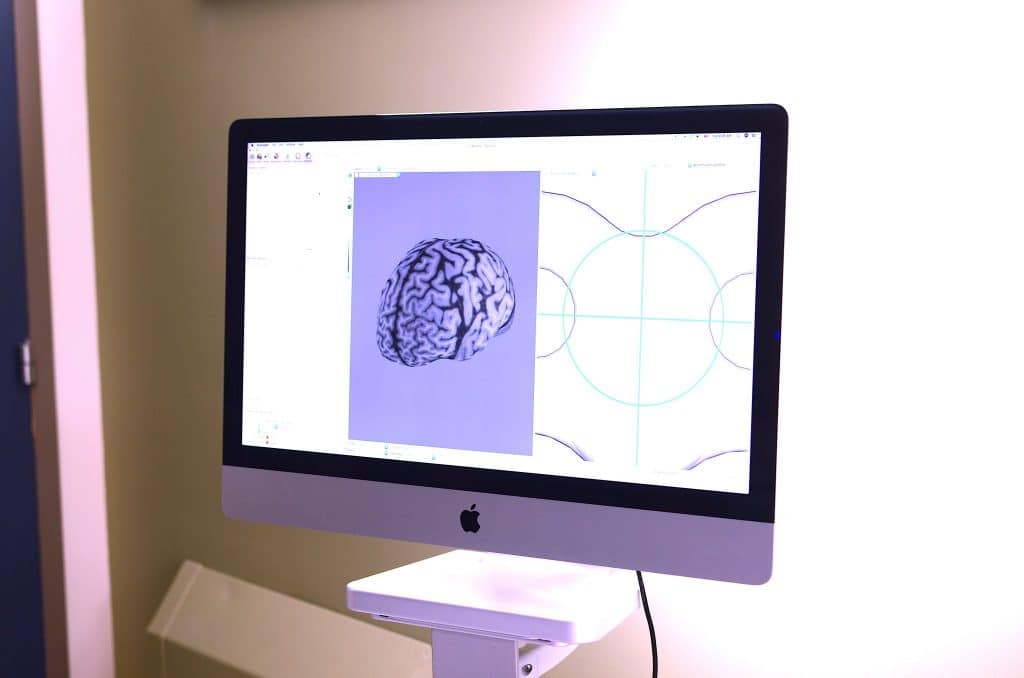
Exercise, brain plasticity and dopamine in Parkinson’s disease
This project investigates whether, timely combined, the administration of dopaminergic drug and exercise can improve…

Genotype and the response to exercise in sub-acute stroke
This project studies whether the genotype modulates the individual response to exercise on brain plasticity…

High-intensity interval training for stroke patients
This project explores the role of exercise intensity on brain plasticity, cardiovascular health and motor…

Implementing Sleep Research in Rehabilitation Care: Barriers and Facilitators to Evidence-Based Practice
This project explores how physiotherapists, occupational therapists, and neuropsychologists address sleep in their work, and…

Protecting the Brain from Post-Stroke Cognitive Impairment and Dementia with Multimodal Exercise Training: The PROTECT Trial
This project explores whether combining different forms of exercise, such as aerobic and strength training,…
THE MEMORY LAB is seeking active individuals of all ages
FUNDING SUPPORT


